What Adds the Most Value to a Lake Home? Docks, Views & Renovations That Pay Off
What Adds the Most Value to a Lake Home? Docks, Views & Renovations That Pay Off
Before you spend a dime preparing to sell, understand this: at the lake, the highest-return improvements aren't always the ones home-improvement shows sell you. Lake buyers pay for the water and the experience around it, which means a dollar spent on the dock or the view often returns more than the same dollar spent on a trophy kitchen. Spend in the wrong places and you can pour money into a home without moving its price. Spend in the right places and you remove buyer objections and lift your sale. Here's where your renovation and prep dollars actually move the needle on a Lake of the Ozarks home.
1. The dock is king
At the lake, the dock is often the single most valuable feature a buyer evaluates, and improvements here tend to return strongly. A clean, functional dock with a working slip and lift signals a well-cared-for property and lets buyers picture their summers immediately. If your dock is tired, the highest-return moves are often the unglamorous ones: refinishing or pressure-washing the decking, servicing the lift, making sure the electrical and slip are in working order, and confirming the dock is permitted and compliant. Buyers researching this will read guides like our dock permits & boat slips guide, and a dock that answers their concerns up front supports your price. A major dock rebuild is a bigger calculation, but basic dock care is among the best money a lake seller can spend.
2. Protect and frame the view
The view is what buyers fall in love with, and one of the cheapest, highest-impact things you can do is make sure it's visible. Trimming trees and clearing sightlines to the water so the lake reads clearly from the home and the deck can transform how a property shows — and it costs a fraction of any interior renovation. Don't hide behind overgrowth the very feature buyers are paying a premium for. Framing the view also makes your photography dramatically better, which matters enormously for the out-of-town buyers who shortlist online.
3. Outdoor living space
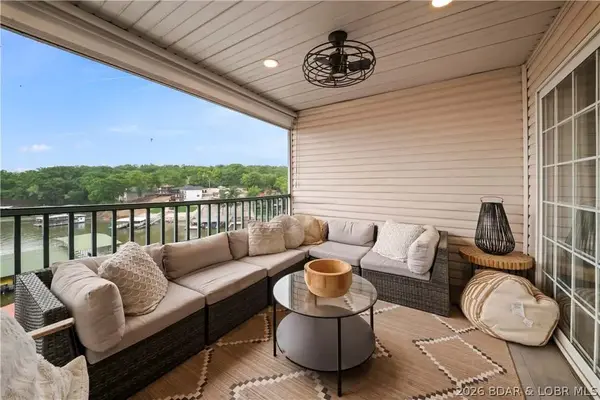
The lake lifestyle happens outside, so outdoor living space punches above its weight in value. Decks, patios, fire features, screened porches, and shaded dock seating extend the living area buyers are really paying for and photograph beautifully. These improvements often show and sell better than an equivalent interior spend, because they sell the experience of lake living. A well-staged outdoor space helps buyers imagine their evenings on the water, and that emotional pull translates to offers.
4. Kitchens and baths — within reason
Updated kitchens and baths still matter, but at the lake the smart play is usually clean, neutral, and move-in ready rather than a top-dollar gut renovation. Buyers want a home they don't have to immediately fix, but they rarely pay back the full cost of luxury finishes on a lake property the way they might in a high-end metro market. Spend to remove objections — fresh, neutral, functional — rather than to chase trophy finishes that won't return their cost. The exception is a kitchen or bath in genuinely poor condition, where bringing it to a clean, current baseline does pay off.
5. The unglamorous essentials
Some of the best money a seller spends never gets admired, because it's the stuff that kills deals when it's wrong. Roof, HVAC, septic, electrical, and seawall condition can make or break an inspection, and money spent removing a deal-killer often returns more than money spent on cosmetics. A failed septic or a compromised seawall discovered during inspection can cost you the buyer or a big chunk of your price; addressing or being ready to address these protects your sale. For waterfront, the seawall and shoreline deserve particular attention.
6. Curb appeal and first impressions
Buyers form an opinion in seconds, online and in person. Fresh paint where needed, clean landscaping, a tidy entry, and pressure-washed surfaces create the first impression that frames everything after. These low-cost improvements lift both your photography and your in-person showings, and they signal a cared-for home. At the lake, "curb appeal" includes the water-side approach too — the view from the dock back toward the house matters as much as the street view.
What to skip
Over-personalized, high-cost renovations rarely return their full cost, and neither do improvements that don't match the home's price tier or the lake buyer's priorities. Bold design choices, luxury finishes on a mid-market home, or expensive interior projects that ignore the dock and view are common ways to overspend. When in doubt, ask before you spend — a quick conversation can save you from a renovation that won't pay back. See how summer pricing interacts with prep in our pricing guide.
Prioritize based on your specific home
Every home is different, and the right prep list depends on your property's condition, price tier, and water access. A tired dock on an otherwise updated home points to dock investment; a dated interior on a great lot points elsewhere. The most valuable first step is an honest, professional assessment that prioritizes the improvements with the best return for your home rather than a generic checklist. That's exactly what a walk-through valuation provides.
Timing your improvements before a summer sale
When you make improvements matters almost as much as which ones you choose. The goal is to have everything complete before your professional photos are taken, because those photos determine who books a showing among the out-of-town buyers who dominate the lake market. Plan dock refinishing, tree trimming, painting, and any repairs to wrap up well before the listing goes live, so the home debuts at its best. Larger projects should be weighed against the calendar — a renovation that pushes your listing past the early-summer peak may cost you more in lost prime-season exposure than it adds in value. If a project can't be finished in time to capture the strongest selling window, it's often better to price the home appropriately as-is and let the buyer take it on. We can help you decide what's worth completing before listing and what's better disclosed and priced in.
Improvements that protect your appraisal and inspection
Some of the most valuable prep work isn't about wowing buyers at all — it's about protecting the deal once you're under contract. An appraisal that comes in low or an inspection that surfaces a major problem can cost you the sale or a chunk of your price. Addressing condition issues with the roof, HVAC, electrical, plumbing, septic, and seawall before listing removes the most common deal-killers and keeps your transaction on track. For waterfront, documenting that the dock is permitted and compliant and that the seawall is sound preempts the exact concerns a buyer's inspection will raise. Money spent here rarely shows up in a glossy photo, but it routinely saves sellers far more than it costs by keeping a deal from falling apart late.
A seller's pre-listing value checklist
Before you list, work through the improvements that actually move a lake home: confirm the dock is clean, functional, permitted, and photo-ready; clear sightlines and trim trees so the view reads clearly; stage outdoor living spaces as the lifestyle centerpiece they are; bring interiors to a clean, neutral, move-in-ready baseline without over-renovating; address any deal-killing essentials in the roof, HVAC, septic, electrical, and seawall; and refresh curb appeal on both the street side and the water side. Run through this list, prioritize by your home's specific condition and price tier, and you'll direct your prep dollars where lake buyers actually pay rather than where renovation shows tell you to spend.
Why sellers trust Swift & Co. Realty to maximize lake home value
Knowing where to spend before you sell — and where not to — rewards a team that prices and markets lake homes every day. Swift & Co. Realty gives sellers an honest, walk-through assessment that prioritizes the improvements with the best return for their specific home, from dock care and view clearing to the essentials that protect an inspection. Then we back it with the professional video, drone, and 3D marketing that reach the out-of-town buyers who decide your sale online. We know what lake buyers actually pay for, and we position your home to capture it. That local expertise, personalized service, and modern marketing are why Swift & Co. is the go-to real estate team for sellers across the Lake of the Ozarks.
CTA
Not sure which improvements are worth it for your home? Get a free, walk-through valuation and a prioritized prep plan from the Swift & Co. team before you spend a dollar. We'll show you exactly where to invest for the best return and where to save.
FAQ
What adds the most value to a lake home? The dock and waterfront experience, a protected and visible view, and outdoor living space typically return the most at the Lake of the Ozarks, because buyers pay for the water and the lifestyle around it more than for trophy interior finishes.
Should I renovate my kitchen before selling? Light, neutral updates that make the home move-in ready usually pay off; a full high-end remodel often doesn't return its cost at the lake. The exception is a kitchen in genuinely poor condition, where reaching a clean, current baseline does help.
Does fixing the dock really increase value? Yes. Dock condition is a top value driver for lake buyers, and basic dock care — refinishing decking, servicing the lift, ensuring the slip and electrical work, confirming permits — can return more than comparable interior spending.
Is it worth trimming trees to improve the view? Almost always. Clearing sightlines to the water is one of the cheapest, highest-impact improvements you can make. It transforms how the home shows and dramatically improves photography for online buyers.
What improvements should I avoid before selling? Over-personalized, high-cost renovations and luxury finishes that don't match the home's price tier rarely return their cost. Avoid expensive interior projects that ignore the dock and view, which is where lake value actually concentrates.
How much should I spend preparing a lake home to sell? It depends on your home's condition and price tier. Prioritize high-return items — dock care, view, outdoor space, and any deal-killing essentials like roof, HVAC, septic, and seawall — over cosmetic upgrades. A walk-through valuation can prioritize the spend.
Do outdoor living spaces add value? Yes. Decks, patios, fire features, and shaded dock seating extend the lake lifestyle buyers are paying for and often show and sell better than an equivalent interior spend, because they sell the experience of being at the lake.
What about the seawall and shoreline? For waterfront, seawall and shoreline condition are important and can affect both value and inspection outcomes. Addressing erosion or damage, or being prepared to, protects your sale, since these repairs are costly and can derail deals if discovered late.
Will updating before selling help my home sell faster? Targeted improvements that remove objections — a clean, functional dock, a clear view, move-in-ready interiors, and sound essentials — help a home sell faster and stronger. Misdirected spending on trophy finishes does less for speed or price.
How do I know which improvements are worth it for my home? Get a professional, walk-through valuation that prioritizes improvements by return for your specific property, condition, and price tier. A generic checklist can't tell you whether your dollars belong on the dock, the view, the interior, or the essentials.
When should I complete improvements before selling? Finish them before your professional photos are taken and ideally before the early-summer peak, since photos determine who books showings and the strongest selling window rewards listing sooner. If a project can't be completed in time, it's often better to price the home as-is than to miss prime season.
Do improvements help my home appraise higher? Condition matters to appraisal and inspection. Addressing roof, HVAC, septic, electrical, and seawall issues protects against low appraisals and deal-killing inspection findings. This prep rarely shows in photos but routinely saves sellers more than it costs by keeping deals intact.
Is it better to renovate or sell as-is at the lake? It depends on the improvement's return and timing. High-return items like dock care, view clearing, and essentials are usually worth doing; expensive trophy renovations often are not. When a project can't pay back or can't finish before peak season, selling as-is at the right price is frequently the smarter move.
What's the cheapest high-impact improvement for a lake home? Clearing sightlines and trimming trees so the water view reads clearly is among the cheapest, highest-impact moves. It transforms how the home shows in person and online, for a fraction of the cost of any interior renovation.
Should I stage the dock and outdoor spaces? Yes. The lake lifestyle happens outside, so staging the dock and outdoor living areas as inviting living space helps buyers picture their summers there. Well-staged outdoor space often photographs and sells better than an equivalent interior investment.
Categories
- All Blogs (97)
- local events bagnell dam strip (1)
- bagnell dam strip events (1)
- Buying a Home (26)
- family fun lake of the ozarks (1)
- hot summer nights (1)
- Lake of the Ozark Attractions (10)
- Lake of the Ozark Restaurants (10)
- lake of the ozarks nightlife (1)
- Lake of the Ozarks Shopping (2)
- Market Updates & Investment (6)
- Monthly Events (8)
- pickleball (1)
- Selling Your Home (7)
- Waterfront & Lakefront Homes (11)
Recent Posts