Living at the Lake of the Ozarks: A 2026 Relocation Guide
Living at the Lake of the Ozarks: A 2026 Relocation Guide
If you've been driving down for summer weekends and started wondering what it would cost to just stay, you're not alone. A steady stream of buyers from St. Louis, Kansas City, Columbia, Springfield, and well beyond Missouri are turning the Lake of the Ozarks from a vacation habit into a permanent address. What used to be a seasonal escape has quietly become a year-round community with full-time schools, healthcare, employers, and neighborhoods that fill up well past Labor Day. This guide walks through what relocating here actually involves in 2026 — the money, the neighborhoods, the schools, and the buying process — so you can decide with clear eyes instead of vacation goggles.
Why people are relocating to the Lake of the Ozarks
The pitch is simple and increasingly hard to ignore: genuine waterfront living at a fraction of coastal or mountain-resort prices, no oppressive metro congestion, and a lifestyle that puts the water at the center of daily life rather than reserving it for two weeks a year. The lake stretches across roughly 1,150 miles of shoreline — more navigable waterfront than almost any inland market in the country — which means real, attainable waterfront inventory rather than a handful of trophy listings.
Remote and hybrid work pulled the trigger for a large share of recent buyers. Once the office became a laptop and a reliable internet connection, the math changed: why pay metro prices for a house you barely enjoy when the same budget buys a lake home with a dock? Retirees have long understood the appeal, but the relocating population now skews younger and more varied — families, remote professionals, small-business owners, and second-home buyers who eventually make the lake their primary residence.
There's also a lifestyle argument that's hard to quantify but easy to feel. Life here is organized around the water and the outdoors. Weekends look different. The pace is slower without being sleepy, especially in the central corridor. For a lot of relocating buyers, that shift in daily rhythm is the entire point.
Cost of living: what your money does here
Compared with the St. Louis and Kansas City metros, the lake area generally offers more home for the dollar — but the single biggest variable in your budget will be water access, not square footage. Understanding that distinction up front will save you a lot of confusion when you start browsing listings.
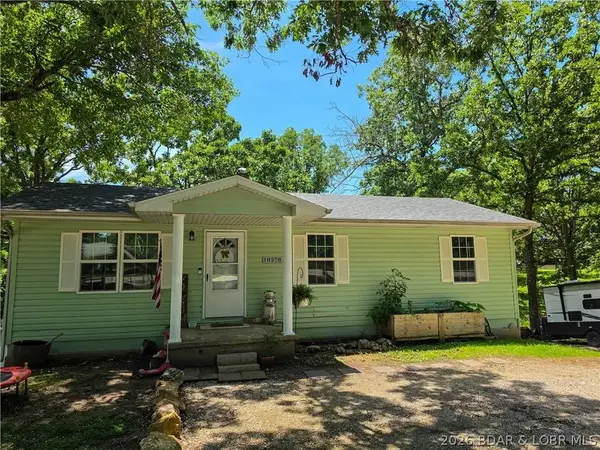
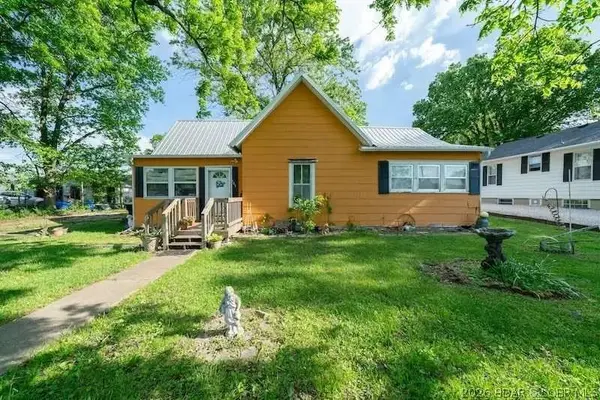
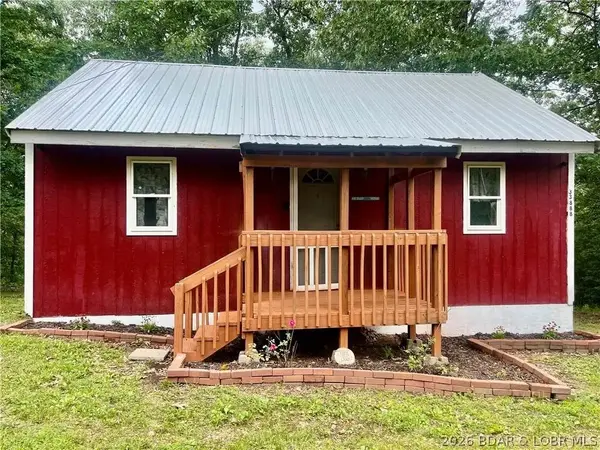
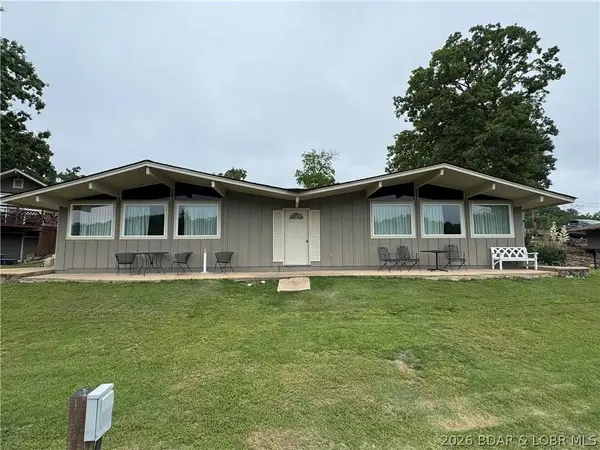
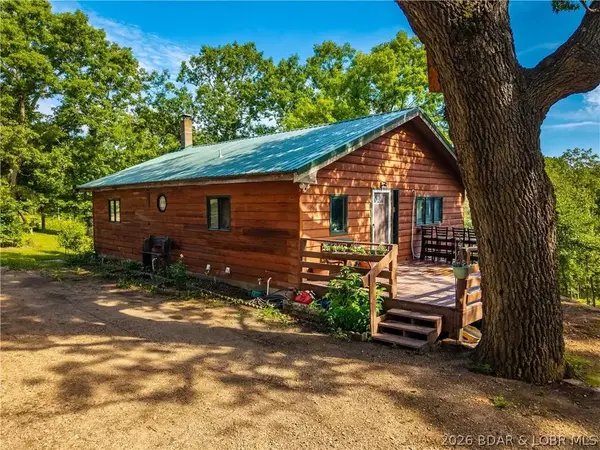
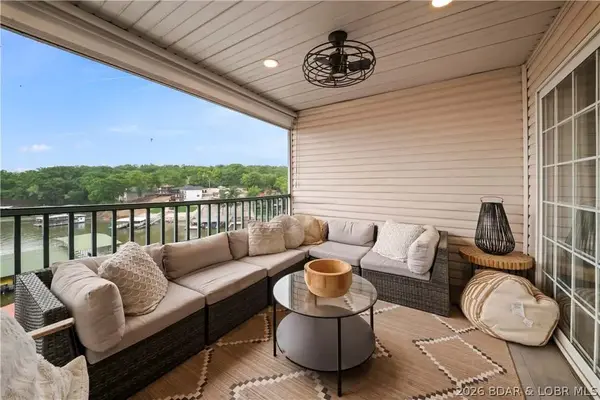
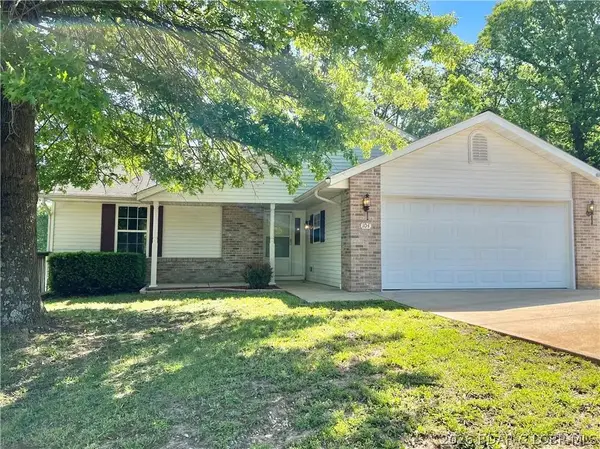
True lakefront commands the highest premium because shoreline is finite. Lake-view homes cost less because you're paying for the scenery, not the access. Off-water homes — which can still be minutes from a marina or public access point — are dramatically more affordable and represent where most full-time relocating families actually land. A buyer who assumes they need lakefront often discovers that an off-water home in Camdenton or Eldon, combined with a boat slip at a marina, delivers the lifestyle they want at a fraction of the carrying cost.
Beyond the purchase price, build the true cost of lake ownership into your relocation budget. That includes potential dock maintenance, sometimes higher insurance on waterfront, HOA or dock association fees in some communities, and seasonal upkeep. None of these are dealbreakers, but they're real, and a metro buyer relocating for the first time should plan for them rather than be surprised. For current price bands by community, see our Lake Ozark homes for sale and Camdenton homes for sale pages, or ask us for a custom breakdown.
Choosing the right community
A relocation decision is really a neighborhood decision, and the lake is not one market — it's a dozen distinct ones, each with its own price profile, pace, and personality. Here's how to think about the major options:
If you want convenience: Osage Beach and Lake Ozark put retail, healthcare, dining, and marinas minutes away. This central corridor is the most amenity-rich part of the lake and the easiest landing spot for buyers who don't want to drive 25 minutes for groceries. Start with our Osage Beach community page and our relocating to Lake Ozark guide.
If you want value: Camdenton, Eldon, Lebanon, and the west-side value towns (Laurie, Gravois Mills, Stover, Versailles) stretch your budget significantly further. These are where relocating families and budget-conscious buyers find more home, more land, and lower carrying costs while keeping the lake within reach.
If you want quiet water: The west side and the Niangua Arm — communities like Gravois Mills, Laurie, and Roach — trade nightlife proximity for calmer coves and a more residential feel, often at friendlier prices.
If you want luxury or gated living: Porto Cima and the Village of Four Seasons anchor the premium tier, offering golf, marinas, and clubs in master-planned settings. See our luxury market overview.
The smartest move is to match your daily life — commute, schools, errands, how you'll actually use the water — to the right pocket of the lake before you fall for a single listing photo. Buyers who do this relocate happy; buyers who chase a house first often end up in the wrong community.
Schools, healthcare, and daily life
For relocating families, schools are often the deciding factor. The Camdenton R-III district, School of the Osage, and Eldon districts serve most of the relocating population, and each has its own reputation and footprint. Tour the schools the same way you tour homes.
Healthcare in the area is anchored by Lake Regional Health System in Osage Beach, which makes the central corridor especially attractive to retirees and anyone prioritizing proximity to medical care. Day-to-day, relocating buyers trade big-metro variety for shorter lines, quicker drives, and a much shorter walk to the water. You give up some options; you gain a lot of time back.
How to actually make the move
- Get pre-approved early. Summer is a competitive season, and pre-approval lets you act fast when the right home appears.
- Decide your water priority. Lakefront, lake-view, lake-access, or off-water? This single decision shapes your budget and your community options more than anything else. See our lakefront vs. lake-access guide.
- Narrow to two or three target communities, not the whole lake. Focus produces better decisions.
- Plan a focused tour weekend with a local agent who can show you across communities efficiently.
- Build in water due diligence. If you're buying waterfront, dock permits and slip ownership are non-negotiable checks — see our dock permits guide.
- Lean on local knowledge. Out-of-area buyers especially benefit from an agent who can pre-screen listings before you ever make the drive.
Why local expertise matters more here
The Lake of the Ozarks is a genuinely unusual market. Water access, dock regulations, seasonal demand swings, cove-by-cove price differences, and community-specific rules create a landscape where a great agent saves you from expensive mistakes a metro relocation never involves. The difference between a main-channel address and a quiet cove, a deeded slip and a waitlisted one, or a permitted dock and a non-compliant one can be tens of thousands of dollars — and you won't see it from a listing photo.
Common mistakes relocating buyers make
A few patterns come up again and again with metro buyers moving to the lake, and avoiding them will save you money and frustration:
- Assuming you need lakefront. Many buyers anchor on a waterfront fantasy, blow their budget, and end up house-poor on a dock they use twenty days a year. Off-water with a marina slip is often the smarter lifestyle-to-cost ratio.
- Underestimating cove differences. Two homes a mile apart can have completely different water — one on the busy main channel, one in a quiet, shallow back cove. Tour the water, not just the house.
- Skipping dock and slip verification. A listing that says "dock included" can mean a deeded slip, a shared slip, a waitlisted slip, or an unpermitted structure. These are not the same thing financially.
- Buying for summer only. Visit your target community in the off-season too. The place that's electric in July can feel very different in January, and you should know which version you're buying into.
- Going it alone from out of town. Remote buyers who try to navigate the lake's water rules, community quirks, and pricing without local guidance routinely overpay or inherit problems. This is the market where a local agent earns their keep.
Timing your relocation
Inventory and pricing at the lake are seasonal. Spring and early summer bring the most listings and the most competition; fall and winter bring fewer choices but often more motivated sellers and negotiating room. If your timeline is flexible, there's an argument for shopping in the shoulder season and closing before the spring rush. If you're tied to a school-year start or a job, plan your search early and get pre-approved so you can move decisively when the right home surfaces. Either way, a local agent can time your search to the market rather than the calendar.
A quick word on the buying timeline
Once you've chosen a community and gotten pre-approved, a typical lake purchase runs through offer, inspection (including dock and water due diligence on waterfront), appraisal, title work, and closing — usually a few weeks to a couple of months depending on financing and contingencies. Waterfront purchases take a little longer because of the extra dock, slip, seawall, and water-depth verification, so build that into your timeline if you're targeting a lakefront home and a specific move date. Out-of-area buyers should also plan a return trip or two for inspection and final walkthrough, or arrange for their agent to attend on their behalf. Planning these milestones in advance keeps a relocation from turning stressful.
Why relocating buyers choose Swift & Co. Realty
Relocating to the Lake of the Ozarks is exactly the kind of move where a local team makes the difference between a smooth transition and an expensive misstep. Swift & Co. Realty lives and works across the Lake of the Ozarks region — from the Osage Beach and Lake Ozark corridor to the west-side and value communities — so we can match your budget, schools, and lifestyle to the right town before you ever make the drive. For out-of-area buyers especially, that local fluency — knowing the communities, the water, and the market block by block — is what we bring to the table. Paired with personalized service and modern marketing, it's why Swift & Co. is the go-to real estate team for buyers relocating anywhere across the Lake of the Ozarks.
Relocating is the kind of move that rewards local knowledge from the very first conversation. The Swift & Co. team helps out-of-area buyers narrow the lake to the right community and the right home — often before you make the drive. Reach out for a relocation consultation and a custom listing alert tailored to your budget, timeline, and how you want to live at the lake.
FAQ
Is the Lake of the Ozarks a good place to live year-round? Yes. While summer is the busy season, the area has a substantial full-time population supported by year-round schools, healthcare, employers, and services, especially around Osage Beach, Lake Ozark, and Camdenton.
How much does it cost to live at the Lake of the Ozarks? Costs vary most by water access. Off-water homes are meaningfully more affordable than main-channel waterfront, and surrounding value towns are more affordable still. Beyond the purchase price, budget for dock upkeep, possible HOA or dock fees, insurance, and seasonal maintenance. Ask us for current figures by community.
What's the best community for relocating families? Families often choose Camdenton or Osage Beach for schools and convenience, while value-focused buyers look at Eldon, Lebanon, and the west-side towns. The right answer depends on your school priorities, budget, and how you'll use the water.
Can I work remotely from the Lake of the Ozarks? Yes — remote and hybrid work has driven much of the recent relocation wave. Confirm internet service at any specific property, as connectivity can vary by location.
Should I rent before I buy when relocating? Some relocating buyers rent for a season to learn the communities firsthand before committing. It's a reasonable strategy, though inventory and seasonal rates vary. We can advise based on your timeline.
How do I choose between the east side and the west side? The east side (Lake Ozark, Osage Beach) offers more amenities and activity; the west side (Laurie, Gravois Mills, Sunrise Beach) offers quieter water and often better value. It comes down to whether you prioritize convenience and energy or peace and price.
Is it cheaper to live at the Lake of the Ozarks than in St. Louis or Kansas City? For many buyers, yes — particularly off-water and in the surrounding value towns, where the same budget buys more home with lower carrying costs than comparable metro suburbs. Waterfront is the exception, where you pay a premium for shoreline. We can run a direct cost comparison against your current metro.
What do I need to know about buying a home with a dock? Docks at the lake are regulated and require permits, and the "slip" can be deeded, shared, or waitlisted. Before buying any waterfront home, verify the dock is permitted and compliant, confirm slip ownership and size, and check water depth at the dock. Our dock-permit and closing-checklist guides walk through exactly what to confirm.
Categories
- All Blogs (97)
- local events bagnell dam strip (1)
- bagnell dam strip events (1)
- Buying a Home (26)
- family fun lake of the ozarks (1)
- hot summer nights (1)
- Lake of the Ozark Attractions (10)
- Lake of the Ozark Restaurants (10)
- lake of the ozarks nightlife (1)
- Lake of the Ozarks Shopping (2)
- Market Updates & Investment (6)
- Monthly Events (8)
- pickleball (1)
- Selling Your Home (7)
- Waterfront & Lakefront Homes (11)
Recent Posts