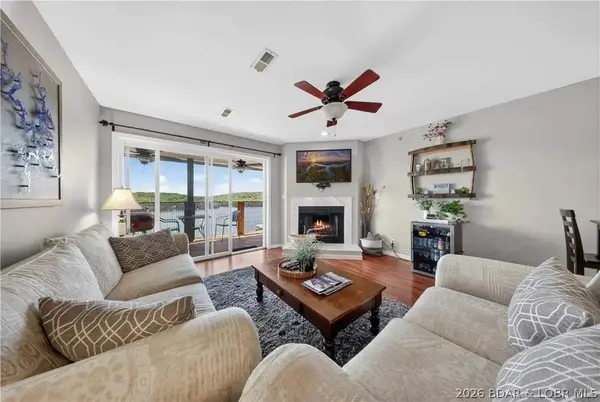
Lakefront vs. Lake-View vs. Lake-Access: What Each Means for Price & Resale
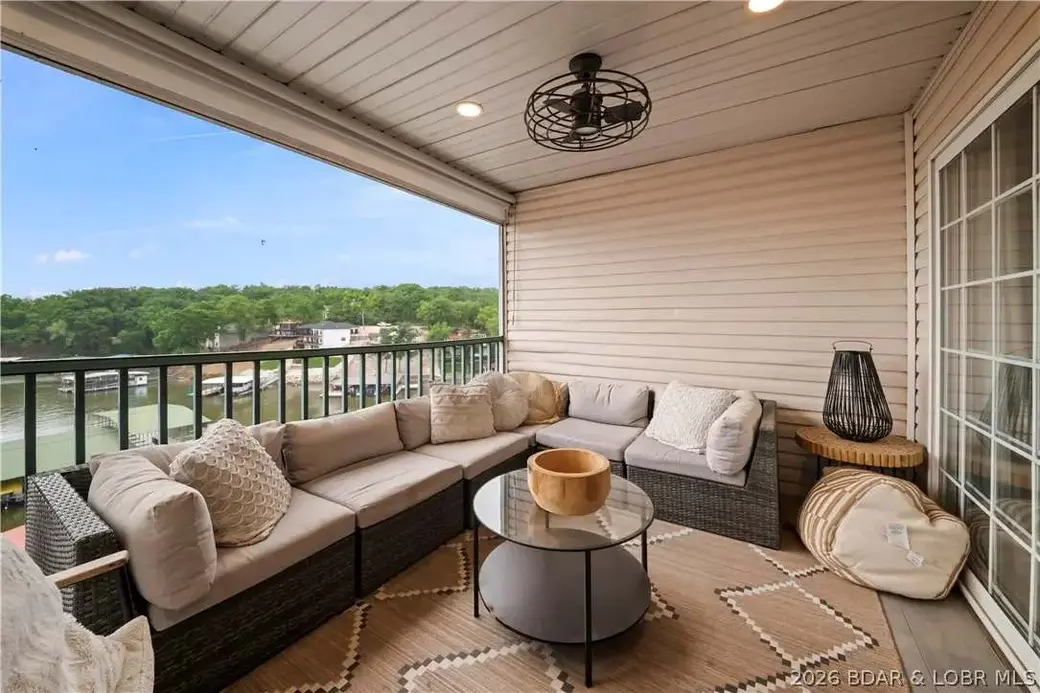
Lakefront vs. Lake-View vs. Lake-Access: What Each Means for Price & Resale
"Waterfront" gets used loosely at the lake, and the difference between lakefront, lake-view, and lake-access can mean tens of thousands of dollars and a completely different daily experience. A listing photo of sparkling water doesn't tell you whether you can step off your own dock, whether you're looking at the lake across a road, or whether your "access" is a community ramp shared with fifty neighbors. Understanding these categories before you shop is one of the most valuable things a buyer can do, because it lets you match your budget and how you'll actually use the water to the right kind of property. Here's how to know exactly what you're buying.
Lakefront: owning the water's edge
A true lakefront home sits directly on the water with its own shoreline, typically with a dock or the right to build one. It's the most expensive category, and for good reason: the supply of genuine shoreline is fixed and can't be expanded, which underpins both its premium price and its strong resale. When you own lakefront, you step from your yard onto your dock and onto the water — no roads to cross, no shared facilities, no waitlist. This is what most buyers picture when they dream of a lake home, and it's the right category if a private dock and immediate water access are non-negotiable for you. The trade-offs are cost, dock maintenance, often higher insurance, and the due diligence that comes with owning shoreline. Our first lake house guide covers that due diligence in detail.
Lake-view: paying for the scenery
A lake-view home overlooks the water but isn't on it. You might cross a road to reach the shore, or have other homes or land between you and the water. You're paying for the view and the ambiance, not for direct access or a private dock. For buyers who prize the scenery — morning coffee with a water view, sunsets over the lake — but don't need to step directly onto the water, lake-view can deliver much of the emotional payoff of lake living at a meaningfully lower price than true lakefront. The key variables are how good and how protected the view is: an expansive, unobstructed, permanently protected view holds value far better than a partial view that a neighbor's future construction could block.
Lake-access: a slip without the premium
Lake-access homes aren't on the water but include the right to use a community dock, a shared slip, or a boat ramp. This is often the value sweet spot of the lake market: you get a place to keep a boat and enjoy the water without paying the full lakefront premium. Many condos and west-side communities fall into this category. The critical question with lake-access is the quality and security of that access — is your slip deeded or assigned, or is it first-come or waitlisted? Is the community dock well-maintained and adequately sized for the number of owners? Strong, secure lake-access can be an excellent value; weak or oversubscribed access can disappoint. Our condo buyer's guide digs into how slips work in shared communities.
Off-water: the value baseline
Worth mentioning alongside the three water categories is off-water — homes with no direct water relationship, often the most affordable option, common in value towns like Camdenton and Eldon. Off-water buyers frequently pair an affordable home with a marina slip, capturing the lake lifestyle at the lowest total cost. For many full-time residents and budget-focused buyers, off-water plus a marina slip is the smartest money at the lake.
How each category affects resale
Resale behavior differs meaningfully across the categories, and savvy buyers think about exit value even as they buy:
- Lakefront typically shows the strongest appreciation and the widest pool of qualified buyers, thanks to fixed shoreline supply. It's the most resilient category over time.
- Lake-view holds value well when the view is strong and protected, but appreciates less than true lakefront and is more sensitive to anything that could obstruct the view.
- Lake-access resale depends heavily on the quality and security of the slip or community dock. Deeded, well-maintained access supports value; oversubscribed or uncertain access weakens it.
- Off-water appreciates on livability, schools, and value rather than scarcity, and is the most affordable to buy and own.
Match the category to how you'll use the water
The right category isn't universal — it depends on you. If you're a daily boater who lives for time on the water, lakefront or strong lake-access makes sense. If you're a weekend scenery seeker who loves the view but rarely launches a boat, lake-view may save you a fortune. If you're an investor, slip availability (access) often drives rentability and returns more than a view does. If you're budget-focused and use the lake occasionally, off-water plus a marina slip may be ideal. Be honest about your actual usage rather than your aspirational image of lake life, and you'll buy the category that serves you best.
The cost-versus-lifestyle math
The biggest mistake buyers make is defaulting to lakefront because it's the postcard image, then stretching dangerously to afford it — only to discover they use the dock twenty days a year. The honest exercise is to weigh what each category costs against how you'll genuinely use the water. For some buyers, nothing but lakefront will do, and that's a valid choice worth budgeting for. For many others, lake-view or lake-access delivers most of the joy at a fraction of the cost and carrying burden. We help buyers run this math rather than chase a label.
Due diligence varies by category
Each category carries its own checks. Lakefront demands the full water due diligence: dock permitting and compliance, slip ownership, water depth, and seawall condition — see our dock permits guide. Lake-view requires confirming the view's permanence and any easements or future-construction risks. Lake-access hinges on verifying the slip's ownership and the community dock's condition, rules, and capacity. Off-water is the simplest, though buyers planning to use a marina slip should confirm availability and cost. Knowing which checks apply protects you from category-specific surprises.
Why Swift & Co. Realty helps you buy the right kind of water
The difference between lakefront, lake-view, lake-access, and off-water is where buyers most often overpay or end up with water they can't really use — and it's exactly where a local team protects you. Swift & Co. Realty maps your real usage and budget to the right category, then handles the category-specific due diligence: dock permits and depth on lakefront, view permanence on lake-view, slip and community-dock security on lake-access. We know the lake's coves, communities, and pricing well enough to steer you toward the water that actually fits your life. That local expertise, personalized service, and modern approach are why Swift & Co. is the go-to real estate team for buyers across the entire Lake of the Ozarks.
CTA
Not sure which category fits your budget and how you'll actually use the water? The Swift & Co. team will map your goals to the right kind of waterfront — lakefront, lake-view, lake-access, or off-water with a marina slip — and send matching listings so you compare real options, not just labels.
FAQ
Is lake-access as good as lakefront? For buyers who want a slip without the premium, lake-access can be the smarter value — you get a place to keep a boat at a lower cost. For private shoreline, a personal dock, and the strongest resale, only true lakefront delivers. It depends on your budget and how you'll use the water.
Does lake-view property hold its value? It can, especially with a strong, expansive, and protected view. But it generally appreciates less than true lakefront and is more sensitive to anything that could obstruct the view, so confirm the view's permanence before buying.
Which type is best for investment or rentals? Slip availability matters most for rentals, so quality lake-access or lakefront with a usable dock tends to perform best. A view alone does less for rentability than guaranteed water access does.
What's the difference between lake-access and lakefront? Lakefront sits directly on the water with its own shoreline and dock rights; lake-access is off the water but includes rights to a community dock, shared slip, or ramp. Lakefront costs more and offers private access; lake-access offers a slip at a lower price.
Is off-water plus a marina slip a good strategy? For many buyers, yes. It captures the lake lifestyle — a place to keep and use a boat — at the lowest total cost, pairing an affordable off-water home with a rented marina slip. It's especially popular with full-time residents and budget-focused buyers.
How do I know if a "waterfront" listing is truly lakefront? Don't rely on the listing label or photo. Confirm whether the home has its own shoreline and dock rights (lakefront), merely overlooks the water (lake-view), or includes shared community access (lake-access). Your agent can clarify exactly what you'd be buying.
Which category appreciates the most? Lakefront typically shows the strongest, most resilient appreciation because shoreline supply is fixed. Lake-view and lake-access appreciate based on view quality and slip security respectively, and off-water appreciates on livability and value rather than scarcity.
What due diligence does lake-access require? Verify how the slip is held (deeded, assigned, first-come, or waitlisted), its size and lift, and the condition, rules, and capacity of the community dock. Secure, well-maintained access supports value; oversubscribed or uncertain access can disappoint.
Can a lake-view home ever lose its view? Yes, if the view isn't protected — future construction, tree growth, or land use on intervening property can obstruct it. Confirm easements, protections, and what could be built between the home and the water before relying on the view's permanence.
How do I decide which category is right for me? Be honest about how you'll actually use the water — daily boating, occasional recreation, or mainly enjoying the view — and weigh that against each category's cost. We can map your real usage and budget to the category that serves you best and show you matching listings.
Does a boat slip count as lake-access? Yes — a deeded or assigned slip, or rights to a community dock or ramp, is what defines lake-access. The value and security of that slip vary widely, so always confirm exactly how it's held and the condition and capacity of any shared dock.
Why is lakefront so much more expensive? Because the supply of genuine shoreline is fixed and can't be expanded. That scarcity underpins both lakefront's premium price and its strong, resilient resale value relative to lake-view, lake-access, and off-water homes.
Can I add a dock to a lake-view or off-water home? Generally no — without owning shoreline and the right to build, you can't simply add a private dock. That's the defining advantage of true lakefront. Lake-view and off-water buyers typically use community access or a marina slip instead.
Is a partial lake view worth paying extra for? It depends on the view's quality and whether it's protected from future obstruction. A strong, permanent view can hold value; a partial view that a neighbor's construction or tree growth could block is riskier. Confirm protections before paying a view premium.
Which water category is cheapest to own, not just to buy? Off-water is typically the lowest total cost of ownership — no dock maintenance, no waterfront insurance premium — followed by lake-view and lake-access, with lakefront generally carrying the highest ongoing costs alongside its highest value.
How does water depth factor into lakefront value? Significantly. A lakefront home in a cove that gets shallow at lower water levels may have a dock that's hard to use in late summer, which undercuts its value despite being "on the water." Deep, usable water at the dock is a real value driver, so verify depth before assuming all lakefront is equal.
Do lenders treat these categories differently? Financing is driven more by the property type (single-family versus condo) and use (primary, second home, or investment) than by the water category itself, though waterfront can carry different insurance requirements. Get pre-approved and let your lender review the specific property regardless of category.
Is lake-access ever a better buy than lakefront? For many buyers, yes. If you want guaranteed water access and a slip but don't need private shoreline, quality lake-access delivers the core benefit at a meaningfully lower price and with less maintenance than lakefront. The key is confirming the access is secure and the community dock is well-run.
What's the single biggest mistake buyers make with water categories? Defaulting to lakefront because it's the dream image, then overpaying and over-stretching for water they rarely use. The fix is honesty about actual usage — many buyers are happier and wealthier choosing lake-view, lake-access, or off-water with a marina slip.
Categories
- All Blogs (97)
- local events bagnell dam strip (1)
- bagnell dam strip events (1)
- Buying a Home (26)
- family fun lake of the ozarks (1)
- hot summer nights (1)
- Lake of the Ozark Attractions (10)
- Lake of the Ozark Restaurants (10)
- lake of the ozarks nightlife (1)
- Lake of the Ozarks Shopping (2)
- Market Updates & Investment (6)
- Monthly Events (8)
- pickleball (1)
- Selling Your Home (7)
- Waterfront & Lakefront Homes (11)
Recent Posts