Lake of the Ozarks Condos for Sale: The Complete 2026 Buyer's Guide
Lake of the Ozarks Condos for Sale: The Complete 2026 Buyer's Guide
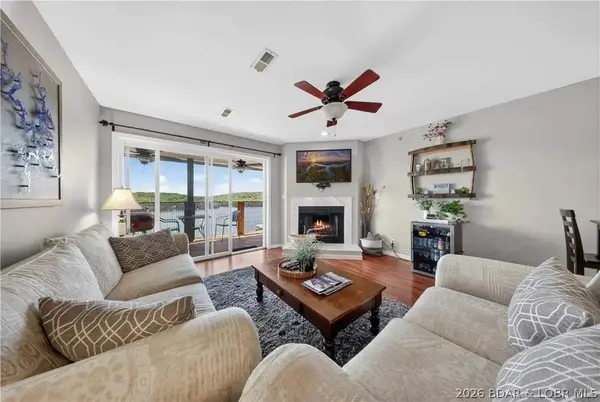
A condo is the most popular entry point into Lake of the Ozarks ownership — lower price, less maintenance, and often a pool, a shared dock, and a view you'd pay a fortune for in a single-family home. For weekenders, second-home buyers, retirees, and investors, the appeal is obvious: you get the lake lifestyle without mowing a yard or maintaining a seawall. But lake condos come with their own rulebook, and the details around slips, HOAs, and rental rights can make or break the investment. This complete 2026 guide walks through everything a buyer needs to evaluate before making an offer, so you buy with confidence instead of discovering the fine print after closing.
Why buyers choose lake condos
Condos let you own at the water for less than a comparable single-family home, with exterior maintenance handled and amenities built in. That combination is powerful. A weekender gets a turnkey retreat they can lock and leave. A retiree gets low-maintenance living with a pool and a view. An investor gets a rentable asset in a high-demand vacation market. And a first-time lake buyer gets an attainable foothold in a market where single-family waterfront can be out of reach. Osage Beach in particular has one of the lake's deepest and most varied condo markets, from waterfront towers to low-rise communities — see our existing condo vs. single-family breakdown for how the two ownership types compare, and our Osage Beach community page for the area overview.
The boat slip question — the most important one
At the lake, the slip is often the most valuable square footage you'll never live in, and it's the single biggest variable in condo value. Before you fall for a unit, pin down exactly how the slip works:
- Is a slip deeded to the unit, assigned, first-come, or waitlisted? These are completely different in value and security.
- What size boat does it fit, and is there a lift?
- Are slips rentable or transferable, and what does that cost?
- If there's a waitlist, how long is it realistically?
A unit with a deeded slip can be worth substantially more — and resell faster — than an identical unit without one. Many buyers underestimate this and are disappointed to learn their "lake condo" comes with a multi-year slip waitlist. Never assume; verify the slip arrangement in writing before you make an offer.
Decode the HOA before you commit
HOA fees cover maintenance, amenities, insurance, and reserves, and they vary widely from one community to the next. The fee itself is only part of the story — a low fee with a thin reserve fund can be a warning sign, while a higher fee backed by a healthy reserve may be the better long-term buy. Before you commit, request and review:
- The current monthly fee and exactly what it covers.
- The reserve study and the association's financial health.
- Any pending or recent special assessments — these can add thousands unexpectedly.
- The rules on rentals, pets, dock use, and modifications.
- Recent meeting minutes to spot looming issues like roof, dock, or structural projects.
A condo purchase is really two purchases: the unit and the association behind it. A well-run HOA with solid reserves protects your investment; a poorly funded one can hit you with assessments and erode value. Don't skip this homework.
Rental rules and investment math
If you're buying to rent, the HOA's rental policy is everything. Some lake communities allow nightly vacation rentals and are effectively built for it; others restrict to long-term tenants or owner-occupancy only. Buying a unit for vacation-rental income in a community that bans nightly rentals is a costly mistake that no view can fix. Confirm the rental policy in writing, and layer in local short-term rental regulations, which can also apply. Then run honest numbers: gross seasonal revenue minus management, cleaning, HOA, utilities, taxes, insurance, and a realistic vacancy allowance. Match the building to your strategy before you fall for the view — and read our short-term rental investment guide and vacation home vs. investment property guide for the full picture.
Types of condos at the lake
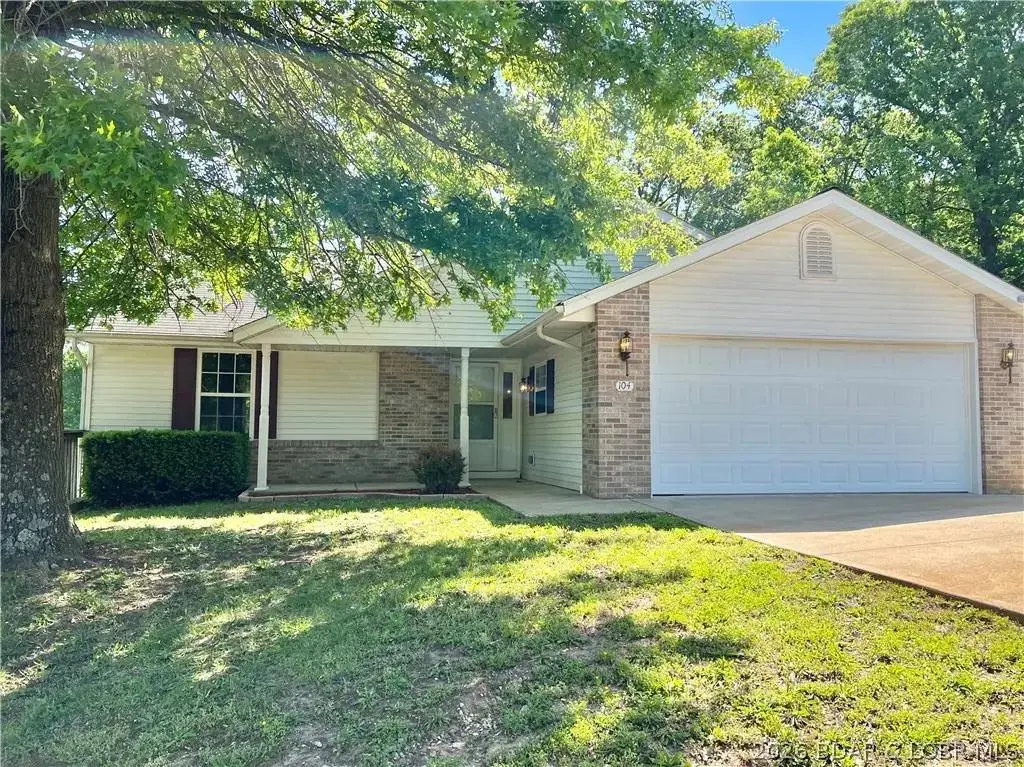
The lake's condo market spans several formats, each with trade-offs. Waterfront high-rises and mid-rises offer big views, elevators, and amenities, often with the deepest concentration in Osage Beach. Low-rise and garden-style communities feel more residential and can be more affordable. Resort-style developments bundle pools, docks, and sometimes on-site management, which suits investors. Off-water condos trade the view for a lower price while keeping the low-maintenance lifestyle. Knowing which format fits your use — full-time, weekend, or rental — narrows the search quickly.
Financing a lake condo
Condo financing has wrinkles single-family buyers don't face. Lenders evaluate not just you but the condo project itself — its owner-occupancy ratio, the percentage of units that are rentals, the HOA's financial health, and any pending litigation. A project that doesn't meet certain lending guidelines can limit your loan options or affect terms. Get pre-approved early and let your lender review the specific community, so you don't fall in love with a unit you can't finance conventionally. We can flag communities where financing is typically straightforward versus those that warrant a closer look.
Inspecting a condo
Even though the HOA handles the exterior, inspect the unit thoroughly — HVAC, plumbing, electrical, appliances, windows, and any signs of moisture or prior water intrusion. For waterfront buildings, ask about the condition and maintenance history of shared elements like the dock, seawall, roof, and elevators, since those costs flow back to owners through dues and assessments. The reserve study and meeting minutes you requested during HOA review will tell you whether big-ticket repairs are looming.
Who lake condos are right for
- Weekenders and second-home buyers who want turnkey, lock-and-leave ownership.
- Retirees seeking low-maintenance living with amenities.
- Investors targeting the lake's strong vacation-rental demand (in rental-friendly communities).
- First-time lake buyers who want an attainable entry point at the water.
What to look for on a showing
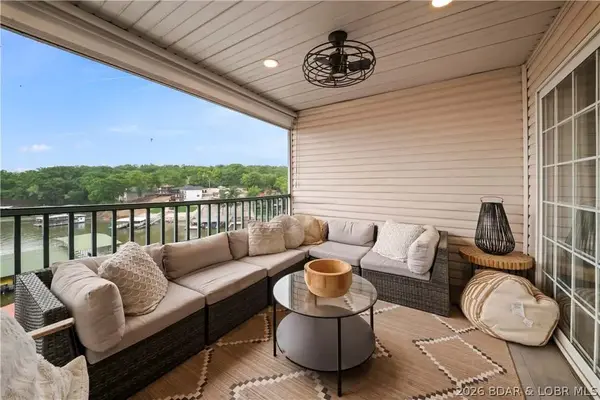
When you tour a lake condo, look past the staging and the view to the things that predict cost and enjoyment. Check the unit's exposure and which direction it faces — afternoon shade versus all-day sun changes how usable a deck or balcony is in July, and certain orientations command premiums for sunset views over the water. Note the floor and elevator situation; a top-floor view is wonderful until you're hauling groceries and coolers up several flights, while a walk-in unit near the parking lot trades the view for convenience that some buyers prize. Inspect the shared spaces you'll actually use: the pool, the dock, the parking, the hallways and stairwells. Their condition is a direct readout of how well the HOA maintains the property and how it spends your dues. Ask how full the building is with full-time owners versus seasonal owners versus renters, because that mix shapes both the community feel and, as noted, your financing. Finally, stand on the dock if there is one and picture your boat there — confirm the slip you'd actually get, not just the marketing photo of the marina.
Common condo-buying mistakes to avoid
A handful of mistakes account for most condo-buyer regret at the lake. The first is assuming a slip is included when it's actually waitlisted or shared — always verify in writing. The second is ignoring the HOA's financial health and getting blindsided by a special assessment for a roof, dock, or seawall project that the meeting minutes would have warned about. The third is buying for vacation-rental income in a community that restricts or bans nightly rentals, which no view can rescue. The fourth is overlooking financing constraints tied to the project's owner-occupancy and rental ratios, then scrambling when a lender balks. And the fifth is choosing a unit purely on the interior finishes while underweighting the things that drive lake-condo value and resale: the slip, the view, the floor, the orientation, and the strength of the association. Avoid these five and you've avoided most of what goes wrong.
Why Swift & Co. Realty is the go-to team for Lake of the Ozarks condo buyers
The condo market here has its own rulebook — slips, HOAs, rental policies, and financing nuances — and it rewards a team that navigates it daily. Swift & Co. Realty helps condo buyers verify slip ownership, review HOA financials, confirm rental rules, and identify the communities that finance cleanly, so you buy with confidence instead of discovering the fine print after closing. We know the lake's buildings and communities, from Osage Beach's waterfront towers to low-rise and off-water options, and we match you to the right one for how you'll use it. That local expertise, personalized service, and modern marketing are why Swift & Co. is the go-to real estate team for condo buyers across the Lake of the Ozarks.
CTA
Condos move fast in summer, and the best units — especially those with deeded slips — don't last. Tell the Swift & Co. team your budget, your slip needs, and whether you'll rent it, and get a curated list of current Lake of the Ozarks condos — including which ones come with deeded slips and which communities are rental-friendly and finance cleanly.
FAQ
Do Lake of the Ozarks condos come with a boat slip? Sometimes. Slips may be deeded, assigned, first-come, or waitlisted depending on the community. Always confirm slip status, size, lift, and whether it's transferable before buying — it's the biggest single variable in condo value.
How much are condo HOA fees at the lake? Fees vary widely by community and amenities. More important than the number is what it covers and whether reserves are healthy. Always review the fee, the reserve study, and any pending assessments before making an offer.
Can I rent out my Lake of the Ozarks condo? It depends entirely on the HOA's rental policy and any local regulations. Some communities allow nightly rentals; others restrict to long-term or owner-occupancy. Verify the policy in writing before buying for investment.
Are condos a good investment at the lake? They can be, given the lake's strong vacation-rental demand — but only in rental-friendly communities and with realistic expense math. Slip access, capacity, and location drive returns. Run the numbers before you buy.
Is it hard to finance a condo at the Lake of the Ozarks? It can require extra steps. Lenders review the project's owner-occupancy ratio, rental percentage, and HOA finances, not just your credit. Get pre-approved early and have your lender review the specific community.
What's the difference between a condo and a single-family home at the lake? Condos offer lower prices, less maintenance, and shared amenities but come with HOA fees and rules; single-family homes offer more control and privacy at a higher price and maintenance burden. Our condo vs. single-family guide compares them in depth.
What should I review about the HOA before buying? The current fee and what it covers, the reserve study and financial health, any pending special assessments, the rules on rentals and pets, and recent meeting minutes to spot looming repair projects.
Are off-water condos cheaper than waterfront condos? Generally yes. Off-water units trade the view and direct access for a lower price while keeping the low-maintenance lifestyle. They can be a smart value, especially paired with a nearby marina slip.
Which area has the most condos at the lake? Osage Beach has one of the deepest and most varied condo markets, from waterfront towers to low-rise communities, though condos are available in many lake communities.
How do I start a condo search at the lake? Begin with your budget, your must-have slip arrangement, and whether you'll rent the unit. We'll send current condos that fit and flag the slip, HOA, and financing details for each so you can compare clearly.
Do condo HOA fees usually go up over time? They can, as costs rise and reserves are replenished, and special assessments can occur for major projects. Reviewing the reserve study and recent meeting minutes helps you anticipate increases rather than be surprised by them.
Is a top-floor condo worth the premium? It depends on how you'll use it. Top floors offer the best views and privacy but mean stairs or elevator reliance; walk-in units trade the view for convenience. Match the floor to how you'll actually live in or rent the unit.
Are lake condos a good first lake purchase? Often yes. They offer an attainable, low-maintenance entry into lake ownership. Just do the slip, HOA, rental, and financing homework covered above before you commit, so the convenience doesn't come with surprises.
Categories
- All Blogs (97)
- local events bagnell dam strip (1)
- bagnell dam strip events (1)
- Buying a Home (26)
- family fun lake of the ozarks (1)
- hot summer nights (1)
- Lake of the Ozark Attractions (10)
- Lake of the Ozark Restaurants (10)
- lake of the ozarks nightlife (1)
- Lake of the Ozarks Shopping (2)
- Market Updates & Investment (6)
- Monthly Events (8)
- pickleball (1)
- Selling Your Home (7)
- Waterfront & Lakefront Homes (11)
Recent Posts