Investing in Short-Term Rental Property at the Lake: ROI, Rules & Best Areas (2026)
Investing in Short-Term Rental Property at the Lake: ROI, Rules & Best Areas (2026)
The Lake of the Ozarks is one of the Midwest's strongest vacation-rental markets. Summer demand is intense, the season runs long, and the lake draws a steady flow of visitors from St. Louis, Kansas City, and across the region looking for waterfront getaways. For investors, that adds up to real opportunity — but a profitable short-term rental here depends entirely on buying the right property, in the right place, with the right rules in place. The same market that rewards a well-chosen, slip-equipped waterfront rental can punish a poorly located unit in a community that bans nightly stays. This guide walks investors through how to evaluate a 2026 purchase so the numbers actually work.
Why the lake is a strong short-term rental market
The fundamentals are favorable. The lake is a destination, not a pass-through — visitors come specifically to be on the water, and they're willing to pay for properties that put them there. Demand peaks hard in summer and around holidays, and the long warm season extends the earning window well beyond a few peak weeks. Proximity to major Midwest metros means a large, drivable customer base. For an investor who buys correctly, that combination supports strong seasonal revenue. The catch is that "buys correctly" is doing a lot of work in that sentence — the difference between a top-performing rental and a money-loser is largely decided at purchase.
What drives rental ROI at the lake
A handful of factors determine whether a lake rental performs:
- Slip and dock access: Renters pay a premium for a place to park a boat. A property with a usable slip or dock commands higher rates and books more nights.
- Sleeping capacity: More beds mean more guests per booking and higher nightly revenue. Capacity is one of the strongest levers on gross income.
- Location: Proximity to the main channel, marinas, dining, and attractions drives both occupancy and rate. Convenience sells.
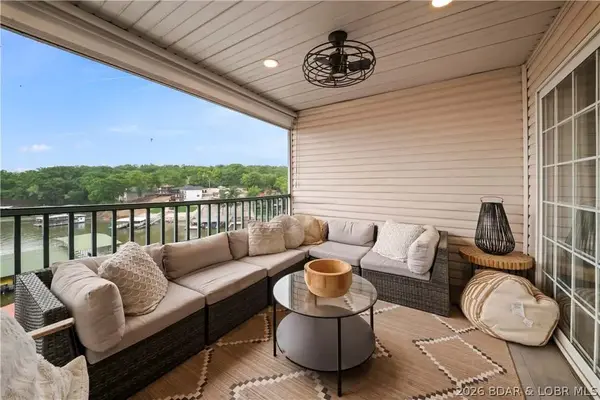
- Amenities: Pools, hot tubs, lake views, outdoor living space, and modern interiors all lift bookings and rates.
- Condition and presentation: Clean, updated, well-photographed properties win the booking in a competitive market.
A waterfront unit with a slip and high capacity will out-earn a slip-less interior unit, often by enough to justify a higher purchase price. The art is buying the property whose revenue potential outpaces its cost.
Know the rules before you buy — this is where investors get burned
Nothing sinks a lake rental investment faster than discovering, after closing, that you can't rent it the way you planned. Before you buy, verify:
- HOA rental policy: Many condo and community associations restrict or outright ban nightly rentals, or impose minimum stays. A unit in a no-nightly-rental community is worthless as a short-term rental no matter how good the view. See our condo buyer's guide for how to review association rules.
- County and municipal regulations: Local short-term rental rules can apply and can change. Confirm the current requirements for your specific location. [confirm current local rules]
- Permitting, licensing, and taxes: Understand any registration, lodging tax, and reporting obligations before you commit.
Never assume a property can be rented nightly. Verify the HOA policy and local regulations in writing as a condition of your purchase.
Best areas for vacation rentals
The high-demand corridors near Osage Beach and the main channel typically post the strongest occupancy and rates, thanks to proximity to attractions, dining, marinas, and the busiest water. Properties with deeded slips and high capacity in these areas are the classic performers. That said, value buys in surrounding areas can pencil out attractively if the purchase price is low enough relative to the revenue, and quieter coves can appeal to a segment of renters seeking a peaceful retreat. The right area depends on your budget and strategy — premium location and rate, or lower cost and solid value. We can help you target areas where the rental math works for your goals.
Running the numbers honestly
This is where disciplined investors separate from hopeful ones. Estimate gross seasonal revenue conservatively based on comparable rentals, then subtract every real cost: property management (if you won't self-manage), cleaning and turnover, HOA dues, utilities, insurance, property taxes, maintenance and repairs, supplies, platform fees, and a realistic vacancy and seasonality allowance. A property that looks like a goldmine at peak-July rates has to survive the shoulder and off-seasons on paper too. Only after netting out all of that do you have a true picture of return. Build your model on conservative occupancy and honest expenses, and you'll avoid the most common investor disappointment.
Financing an investment property
Investment-property loans differ from primary-residence and even second-home loans, typically requiring larger down payments and carrying different rates and terms. Lenders may also factor projected rental income differently, and condo financing adds review of the association's owner-occupancy and rental ratios. Talk with a lender experienced in investment and lake properties early so you understand your true cost of capital and how it affects your returns. Get pre-approved before you shop so your offers are credible and you know your real budget. (This is general information, not financial advice; consult your lender and a tax professional.)
Taxes, insurance, and management
Short-term rentals carry tax and insurance considerations a personal home doesn't. Rental income is taxable and the tax treatment of an investment property differs from a personal residence, so involve a tax professional early to understand deductions, depreciation, and obligations. Insurance for a short-term rental differs from a standard homeowner's policy — confirm appropriate coverage. And decide your management approach: professional management simplifies operations and guest handling but takes a meaningful cut of revenue, while self-management preserves margin but demands real time and effort, especially during peak season turnovers. Factor your choice into the numbers.
Seasonality and realistic expectations
The lake's intense summer demand is the engine of rental returns, but the season isn't year-round. Build your expectations and your financial model around the real shape of the season — strong peak months, softer shoulders, and quiet winters — rather than annualizing peak rates. Investors who plan for seasonality buy properties that work across the full year; those who don't can find themselves carrying costs through slow months they didn't budget for.
Common investor mistakes
- Buying before verifying rental rules and discovering nightly rentals are banned.
- Annualizing peak rates instead of modeling the real season.
- Underestimating expenses like management, cleaning, vacancy, and maintenance.
- Ignoring slip and capacity, the biggest drivers of revenue.
- Overpaying for a property whose revenue can't support the price.
Vacation home or investment property?
Many lake buyers want both a personal retreat and rental income. That's possible, but the two goals can pull toward different properties, and the smartest buyers decide which leads. If income is the priority, optimize for rentability and rules first. If personal use leads, optimize for what you love and treat income as a bonus. Our vacation home vs. investment property guide walks through choosing.
Why investors work with Swift & Co. Realty at the lake
A profitable lake rental is decided at purchase, and it rewards a team that understands slips, capacity, location, and — critically — the HOA and local rules that determine whether you can rent at all. Swift & Co. Realty helps investors identify slip-equipped, rental-friendly properties, confirm the rules in writing, and underwrite realistic ROI before committing capital. We know which corridors post the strongest occupancy and how the lake's seasonality shapes returns, and we bring that market intelligence to every investor conversation. That local expertise, personalized service, and modern marketing make Swift & Co. the go-to real estate team for investment and short-term rental buyers across the Lake of the Ozarks.
CTA
Want help underwriting a lake rental before you buy? The Swift & Co. team can identify slip-equipped, rental-friendly properties, confirm the rules, and help you run realistic ROI numbers — reach out for an investor consultation before you commit capital.
FAQ
Is the Lake of the Ozarks good for short-term rentals? It's one of the stronger Midwest vacation-rental markets, driven by intense summer demand, a long season, and a large drivable customer base. But profitability depends entirely on the specific property, its slip and capacity, its location, and the applicable rules.
Can I rent out any property nightly? No. HOA policies and local regulations may restrict or prohibit short-term rentals, or impose minimum stays. Always verify the association's rules and current local regulations in writing before buying for nightly rental.
What makes a lake rental profitable? Boat slip or dock access, high sleeping capacity, a strong location near the main channel and amenities, appealing amenities like pools and hot tubs, and disciplined expense math. Slip access and capacity are the biggest revenue drivers.
What's the biggest risk in buying a lake rental? Buying before confirming you can rent it as planned. A property in a community that bans nightly rentals is worthless as a short-term rental regardless of its appeal. Verify rules first, then evaluate the property.
How do I estimate rental income? Base it on comparable rentals in the area and season, and model conservatively. Then subtract all real costs — management, cleaning, HOA, utilities, insurance, taxes, maintenance, fees, and a vacancy allowance — to find true net return, not just peak gross revenue.
Is financing different for an investment property? Yes. Investment loans typically require larger down payments and carry different rates and terms than primary or second-home loans, and condos add association review. Talk with an experienced lender early and get pre-approved before you shop.
Should I use professional management or self-manage? Professional management simplifies operations and guest handling but takes a meaningful share of revenue; self-management preserves margin but demands real time, especially during peak turnovers. Factor your choice into your financial model from the start.
Which areas are best for vacation rentals at the lake? The high-demand corridors near Osage Beach and the main channel typically post the strongest occupancy and rates. Value buys in surrounding areas can also work if priced right relative to revenue. The best area depends on your budget and strategy.
Do I have to pay taxes on rental income? Yes, rental income is taxable and an investment property's tax treatment differs from a personal residence. Involve a tax professional early to understand deductions, depreciation, lodging taxes, and reporting obligations for your situation.
What insurance do I need for a short-term rental? A short-term rental typically requires coverage beyond a standard homeowner's policy. Confirm appropriate landlord or short-term-rental insurance before renting, and factor the cost into your numbers.
How seasonal is the lake rental market? Quite seasonal — strong peak summer and holiday demand, softer shoulder seasons, and quiet winters. Model your returns on the real shape of the season rather than annualizing peak rates, and budget to carry costs through slow months.
What's the first step to investing in a lake rental? Define your strategy and budget, get pre-approved for investment financing, and work with a local agent to identify slip-equipped, rental-friendly properties. Then verify the rules and underwrite the numbers conservatively before making an offer.
How important is a boat slip for a rental? Very. Renters specifically seek lake properties where they can bring or rent a boat, so a usable slip or dock lets you charge higher rates and book more nights. It's one of the single biggest factors separating top-performing rentals from underperformers.
Can a condo be a good short-term rental? Yes, in rental-friendly communities — condos offer lower entry prices, built-in amenities, and turnkey appeal. But many associations restrict or ban nightly rentals, so confirming the HOA's rental policy in writing is absolutely essential before buying a condo for this purpose.
Should I buy in a busy area or a quiet cove for rentals? Busy corridors near Osage Beach and the main channel generally post the strongest occupancy and rates, while quiet coves appeal to a smaller segment seeking a peaceful retreat. Most investors prioritize high-demand locations, but a well-priced quiet property can also work if the numbers support it.
How much should I budget for management and turnover? Professional management commonly takes a meaningful percentage of revenue, plus cleaning and turnover costs per booking. If self-managing, budget your time and supplies instead. Either way, build these into your model from the start rather than treating gross revenue as profit.
Categories
- All Blogs (97)
- local events bagnell dam strip (1)
- bagnell dam strip events (1)
- Buying a Home (26)
- family fun lake of the ozarks (1)
- hot summer nights (1)
- Lake of the Ozark Attractions (10)
- Lake of the Ozark Restaurants (10)
- lake of the ozarks nightlife (1)
- Lake of the Ozarks Shopping (2)
- Market Updates & Investment (6)
- Monthly Events (8)
- pickleball (1)
- Selling Your Home (7)
- Waterfront & Lakefront Homes (11)
Recent Posts